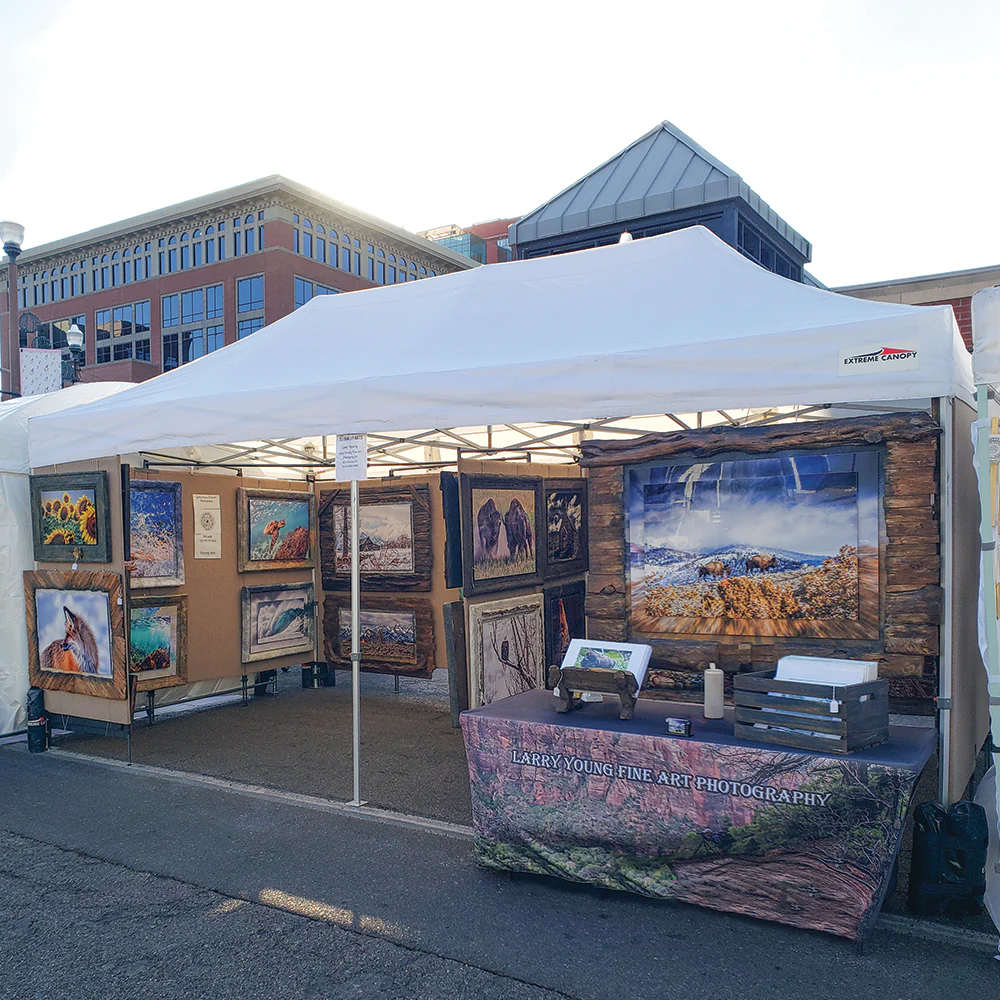
Outdoor event structures in Columbus show up most often at two kinds of sites: fairgrounds lots at the Ohio Expo Center with wide open pavement built for drive-in access, and garden or plaza settings like Franklin Park Conservatory where the surrounding landscaping limits stake placement and vehicle routes. Both settings demand a different structural approach than an indoor hall, starting with wind loading and drainage rather than floor-load limits.
Outdoor Event Structures execution priorities
- Wind-rated tent and stage structures suited to Ohio's spring and summer storm pattern
- Ground conditions and drainage at the specific outdoor site, not a generic paved lot
- Backup power and weather contingency planned before the structure goes up, not during a storm
Fairgrounds lots give room, not shelter
The Ohio Expo Center and State Fairgrounds has large outdoor lots that host overflow parking, livestock trailers, and vendor rows during the Ohio State Fair each summer, and those same lots get used for outdoor trade-show structures during the rest of the year. The open pavement gives an outdoor event structure room to stake and guy tents properly, but it also means full exposure to wind coming across a flat site with little tree cover.
Because the fairgrounds sits north of downtown along a corridor that sees its share of summer thunderstorms, tent crews working outdoor event structures there typically plan a wind-down or evacuation procedure as part of the structural design, not as an afterthought.
Garden and plaza sites change the approach
Franklin Park Conservatory and Botanical Gardens hosts outdoor events across its grounds, and structures built there have to work around planted beds, walking paths, and mature trees rather than an open lot. An outdoor event structure at a site like this usually needs a weighted base system instead of driven stakes, since the ground is landscaped rather than compacted gravel or asphalt.
Downtown plazas near the Arena District and the Greater Columbus Convention Center present a similar restriction: hardscape surfaces mean stakes are often not an option at all, so ballast and counterweight systems carry the structural load instead.
- Ohio Expo Center outdoor lots: open pavement, driven-stake tents, exposed to wind
- Franklin Park Conservatory grounds: landscaped sites, weighted-base structures
- Downtown plazas near the Arena District: hardscape surfaces, ballast systems required
Seasonal timing shapes the structural plan
Columbus summers bring the kind of fast-moving storm cells that can turn a calm afternoon into a wind advisory within an hour, which is why outdoor event structures scheduled for June through August usually carry a higher wind rating than the same structure built for a quieter October weekend.
Fall and early spring bring a different set of concerns, mainly cooler evenings and a wider chance of rain across a multi-day run, so heating and drainage planning matter more than wind rating during those months.
Coordinating with the host site's own rules
Both the Ohio Expo Center and Franklin Park Conservatory publish their own rules for outdoor structures, covering everything from stake depth near buried utilities to how close a tent can sit to a building exit. Confirming those rules before ordering a structure avoids the common problem of a tent plan that has to be resized once ground-penetration limits or fire-lane clearances are confirmed on site.
Questions about Outdoor Event Structures
Do outdoor event structures in Columbus need a higher wind rating in summer?
Usually yes. Fast-moving storm cells are common from June through August, so structures scheduled during those months typically carry a higher wind rating than the same structure built in fall or spring.
Can tents be staked into the ground at every Columbus venue?
No. Fairgrounds lots at the Ohio Expo Center allow driven stakes, but landscaped grounds at Franklin Park Conservatory and downtown hardscape plazas usually require weighted-base or ballast systems instead.
What is the biggest difference between a fairgrounds site and a garden site?
Fairgrounds lots are open pavement with full wind exposure and room to stake, while garden sites like Franklin Park Conservatory are landscaped and restrict stake placement and vehicle routes.
Who sets the rules for outdoor structures at these sites?
The host venue does. Both the Ohio Expo Center and Franklin Park Conservatory publish their own requirements for stake depth, fire-lane clearance, and structure placement.
Does the Ohio State Fair affect availability of fairgrounds outdoor space?
Yes. The fairgrounds lots see heavy use during the Ohio State Fair each summer, so outdoor structures scheduled around that period should confirm site availability well in advance.