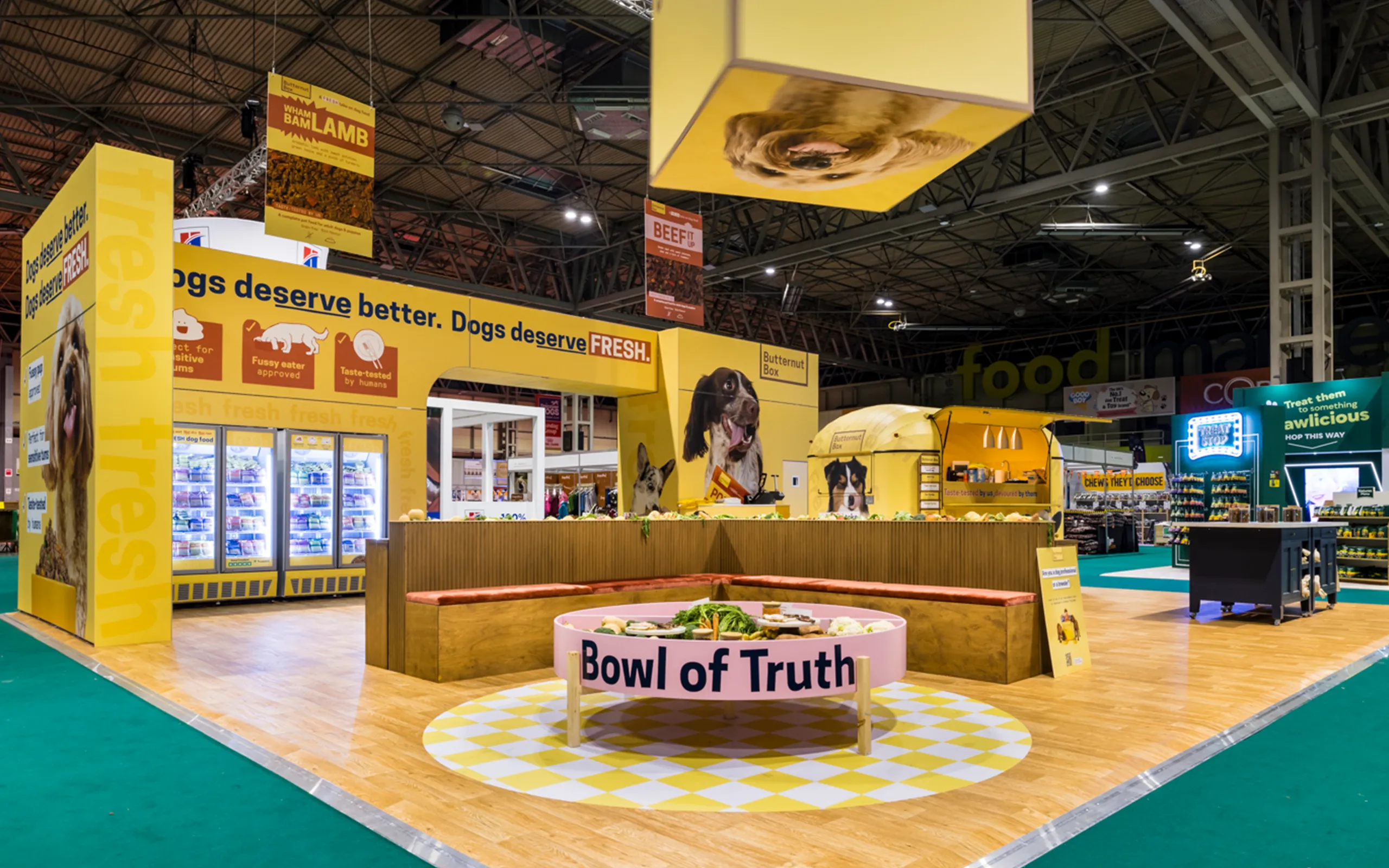
Because a demo draws a crowd that gathers and lingers rather than passing steadily by, the floor plan around the demo station needs its own crowd-management thinking, separate from the general aisle traffic pattern the rest of the hall follows.
Demo-Driven Exhibit Environments execution priorities
- Confirmed utility drops for power, and any specialty needs, at the exact booth location
- Sightlines that let a gathering crowd actually see the demonstration
- A crowd-flow plan that keeps demo viewers from blocking the surrounding aisle
Utility needs should be confirmed at the specific booth location, not assumed
Power drops, and any additional utility needs like compressed air or water for certain demonstrations, are tied to the specific booth location on the floor plan, so a demo exhibit's power requirements should be submitted through the show's exhibitor manual and confirmed at that exact spot rather than assumed to be available everywhere in the hall.
Demo exhibits with heavier power draw or continuous-run equipment should flag that early, since utility orders typically have their own deadline separate from standard freight and material-handling cutoffs.
Sightlines determine whether the demo actually draws a crowd
A demonstration that only the front row can see does not build the kind of gathering crowd a demo-driven exhibit is meant to attract, so booth height, any raised platform, and screen placement should be planned with sightlines from several rows back in mind, not only the first person standing at the counter.
Booth height and any raised platform still need to stay within the show's approved booth specifications, so a sightline plan that requires an unusually tall structure should be checked against the exhibitor manual before it gets built rather than after.
- Plan sightlines for a gathering crowd, not only the front-row visitor
- Check any raised platform or extra booth height against approved specifications
- Consider a screen or repeater display for visitors standing further back
Crowd flow around the demo needs its own plan
A popular demo can draw enough of a crowd to spill into the surrounding aisle if the booth layout does not account for where viewers will actually stand, which creates a friction point with neighboring exhibitors and can draw attention from show management if aisle clearance rules are violated.
Building in a defined viewing area within the booth's own footprint, rather than assuming the crowd will politely stay contained, keeps a successful demo from becoming a compliance problem during the show.
- Design a defined viewing area within the booth's own footprint
- Anticipate crowd size honestly rather than assuming polite self-containment
- Watch for aisle-clearance issues during peak demo times, not only at setup
Repeat demo timing keeps a crowd from waiting indefinitely
A demo that runs on a fixed, repeated schedule rather than continuously on demand tends to manage crowd expectations better, since visitors can plan to arrive a few minutes before the next scheduled run instead of waiting an unknown amount of time for the current group to finish.
Posting the demo schedule visibly at the booth, and sticking to it consistently, also helps the surrounding aisle traffic move more predictably than a booth running demonstrations at irregular intervals.
- Run demos on a fixed, posted schedule rather than continuously on demand
- Post the schedule visibly so visitors can plan around it
- Stick to the posted timing consistently to keep aisle traffic predictable
Questions about Demo-Driven Exhibit Environments
Are utility deadlines for a demo booth the same as freight deadlines?
No, utility orders like power drops or compressed air typically have their own separate deadline in the exhibitor manual, distinct from standard freight and material-handling cutoffs.
How should sightlines be planned for a demo that expects a crowd?
Around visibility from several rows back, not only the front row, which may involve booth height, a raised platform within approved specifications, or a repeater screen for those further away.
What happens if a demo's crowd spills into the aisle?
It can draw attention from show management for violating aisle-clearance rules and create friction with neighboring exhibitors, so the booth layout should include a defined viewing area to contain the crowd.
Can any raised platform height be used for better sightlines?
No, any raised platform or extra booth height still has to fit within the specific show's approved booth specifications, so the plan should be checked against the exhibitor manual before building it.
Should a demo run continuously or on a fixed schedule?
A fixed, posted schedule tends to manage crowd expectations and aisle traffic better than running the demonstration continuously on demand.