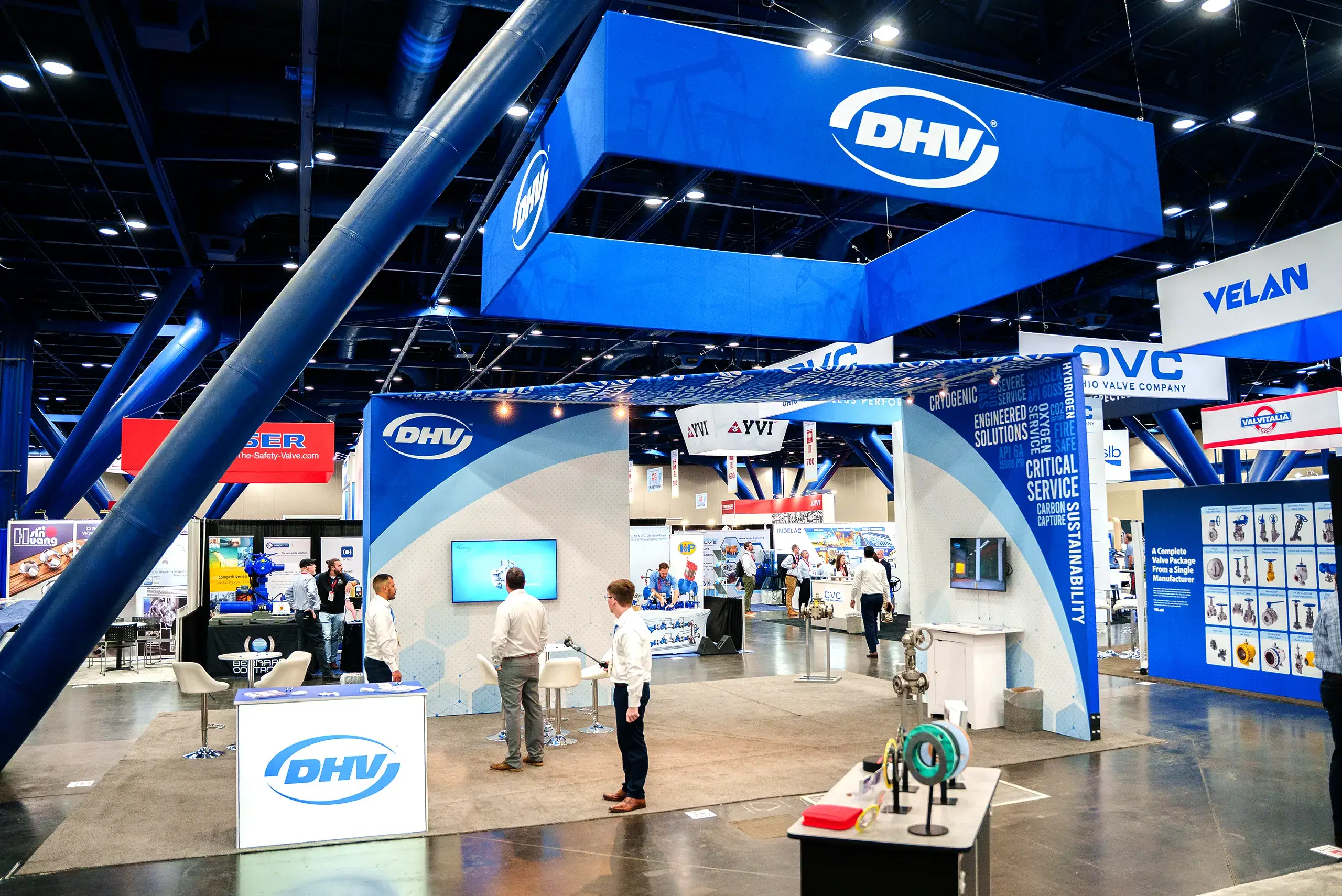
Central Ohio's location at the crossing of Interstate 70 and Interstate 71 makes Columbus an easy market to ship into, but easy access does not remove the need to schedule dock time, confirm marshaling yard rules, and match freight arrival to the show's actual move-in sequence.
This page covers exhibitor logistics coordination as it plays out in Columbus specifically.
Exhibitor Logistics Coordination execution priorities
- Confirm the assigned dock or drive-in window before freight leaves the highway
- Coordinate marshaling yard timing separately from the actual unload appointment
- Match carrier arrival to the booth's position in the move-in sequence rather than the show's opening date alone
- Keep a single point of contact tracking freight status across the whole program
Why dock timing matters more than travel time
Being close to Columbus on paper does not help if a carrier arrives without a confirmed dock appointment at the Greater Columbus Convention Center, since the facility schedules unloading in sequence and an unscheduled truck waits behind everyone who booked ahead.
Exhibitor logistics coordination in this market is largely the discipline of confirming that appointment early and building the carrier's departure time around it rather than around the show's opening date.
Marshaling yards and drive-in doors
Downtown, freight destined for the Greater Columbus Convention Center often stages through a marshaling yard before it reaches the actual dock, while at the Ohio Expo Center and State Fairgrounds, drive-in doors on buildings like the Bricker Building can allow a more direct approach that skips a separate staging step.
Knowing which model applies to a given show changes how exhibitor logistics coordination should plan the carrier's route and expected wait time.
- Greater Columbus Convention Center: dock system, marshaling yard staging common
- Ohio Expo Center and State Fairgrounds: drive-in doors, more direct building access
- John Glenn Columbus International Airport: regional air freight receiving point
Keeping one point of contact on freight status
When several vendors, a carrier, and a general service contractor are all involved in getting one booth's freight to the floor, exhibitor logistics coordination works best when a single person is tracking status end to end rather than each party assuming someone else is watching the shipment.
That single point of contact is what catches a delayed truck early enough to adjust the labor call or shift the install sequence instead of discovering the problem when the dock window has already passed.
- Assign one contact to track freight status across all vendors
- Confirm labor call timing can flex if freight is delayed
- Update the show's material handling desk if arrival timing changes
Regional freight access into Columbus
Central Ohio sits at the crossing of Interstate 70 and Interstate 71, and John Glenn Columbus International Airport handles regional air freight, which together make Columbus an easy market to ship into compared with more congested metro areas, but exhibitor logistics coordination still has to book the specific dock or drive-in appointment rather than relying on that general accessibility.
Good highway access shortens the drive; it does not replace confirming the unload window at whichever venue is actually hosting the show, and exhibitor logistics coordination should treat that appointment as the binding constraint regardless of how quickly a carrier can reach the city.
Questions about Exhibitor Logistics Coordination
Why does exhibitor logistics coordination matter if Columbus is centrally located?
Being close on the map doesn't replace a confirmed dock appointment; the Greater Columbus Convention Center schedules unloading in sequence, so exhibitor logistics coordination has to plan around the assigned window rather than travel time alone.
Do all Columbus venues use a marshaling yard?
No. Downtown freight for the Greater Columbus Convention Center often stages through a marshaling yard, while some Ohio Expo Center and State Fairgrounds buildings allow more direct drive-in access.
What happens if freight is delayed for a Columbus show?
Exhibitor logistics coordination should have a plan to flex the labor call and notify the material handling desk, since a delayed truck can otherwise miss its scheduled unload window and push the booth's install later in the day.
Should one person track freight across multiple vendors?
Yes, that single point of contact is usually what catches a delay early enough to adjust the schedule, rather than each vendor assuming someone else is watching the shipment.
Does exhibitor logistics coordination cover return shipping after the show?
It should. Booking the return carrier and confirming the outbound dock or drive-in window is as much a part of exhibitor logistics coordination as the inbound shipment, since a missed outbound appointment can leave freight sitting at the venue after move-out closes.