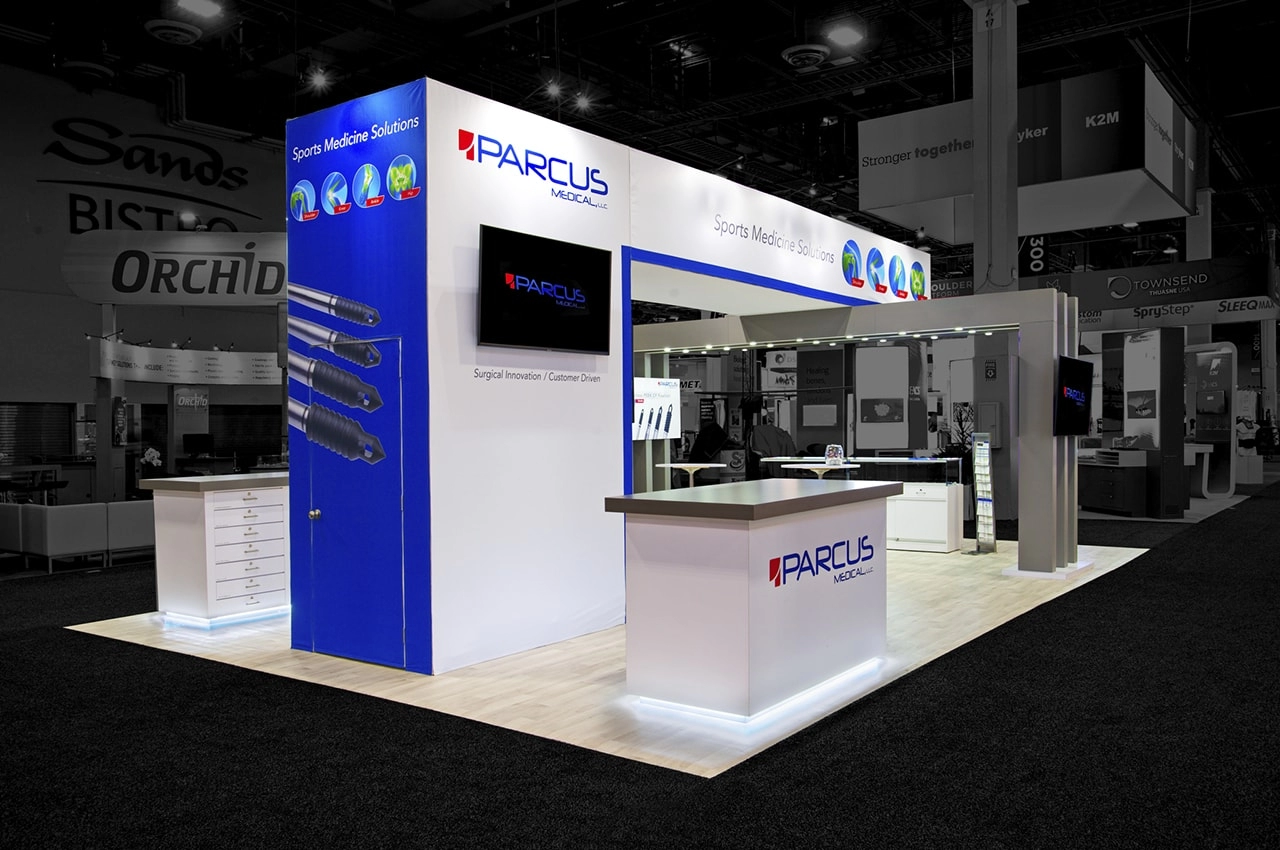
An exhibitor showing at more than one Columbus event in a year benefits from someone tracking the shared assets, deadlines, and venue differences across the whole program rather than starting from zero for each show.
This page covers what exhibit program management actually looks like in this market rather than describing it in the abstract.
Exhibit Program Management execution priorities
- Maintain one shared calendar of exhibitor kit deadlines across every Columbus show in the program
- Track which structure and graphics assets are used for which show to avoid double-booking a single build
- Compare venue-specific rules between the Greater Columbus Convention Center and the Ohio Expo Center before assuming continuity
- Keep a running record of what worked and what didn't at each prior Columbus show
Why a shared calendar beats show-by-show planning
Columbus shows do not all share exhibitor kit deadlines, freight windows, or labor rules, and treating each one as identical because they're in the same city is a common way exhibit program management goes wrong, particularly when a program spans both the Greater Columbus Convention Center and the Ohio Expo Center and State Fairgrounds in the same year.
A shared calendar that tracks each show's specific deadlines against the program's asset schedule catches conflicts before they become a scramble the week of move-in.
Assets that move between shows
A structure or graphics package used at a downtown show may need reconditioning, resizing, or a different crate configuration before its next appearance at the Ohio Expo Center, and exhibit program management is largely about catching those adjustments before the asset ships rather than after it arrives at the next venue.
That matters more in Columbus than in a single-venue market because the two anchor venues, the convention center and the expo campus, have different freight access and hall dimensions.
- Greater Columbus Convention Center: dock-fed freight, interior hall placements
- Ohio Expo Center and State Fairgrounds: drive-in freight, building-specific footprints
- Downtown hotel meeting space: smaller satellite functions within the same program
Learning across the program instead of resetting each time
Every Columbus show generates lessons about labor timing, freight delays, or venue paperwork that are worth keeping on file, and exhibit program management is what turns those lessons into a standing reference instead of something relearned at each new event.
That record is especially useful heading into a repeat show like a return to the Arnold Sports Festival, where the venue conditions are already known and the planning time can go toward the exhibit itself instead of rediscovering the building.
- Keep a post-show notes file for each Columbus event in the program
- Flag venue-specific rules that differ from the last show at the same location
- Use prior freight timing as a planning baseline, not a guess
Budgeting across a multi-venue program
A program touching both the Greater Columbus Convention Center and the Ohio Expo Center and State Fairgrounds in the same year needs its budget broken out by venue rather than averaged across the whole program, since dock fees, drayage rates, and labor costs are not identical between the two.
Exhibit program management that tracks spend per venue, rather than per show generically, makes it easier to spot which stop in the Columbus calendar is actually driving cost overruns.
Questions about Exhibit Program Management
Does exhibit program management change much between Columbus venues?
Yes, since the Greater Columbus Convention Center and the Ohio Expo Center and State Fairgrounds differ in freight access, hall dimensions, and paperwork, and exhibit program management is largely about tracking those differences across a shared program calendar.
How does exhibit program management handle multiple Columbus shows in one year?
By keeping one calendar of exhibitor kit deadlines and asset assignments across all the shows in the program, rather than planning each Columbus event from scratch as if it were unrelated to the others.
What's the biggest risk without exhibit program management?
Double-booking a single structure or graphics asset between two shows that overlap on the calendar, or missing a venue-specific rule change between a downtown show and an expo-campus show.
Does exhibit program management include post-show review?
It should. Keeping notes on labor timing, freight delays, and venue paperwork from each Columbus show gives the next event in the program a working baseline instead of a blank page.
Does exhibit program management help with vendor selection across shows?
It can, since a program spanning several Columbus shows in a year benefits from evaluating general service contractors, freight carriers, and graphics vendors once against the full calendar rather than re-selecting vendors independently for each individual event.